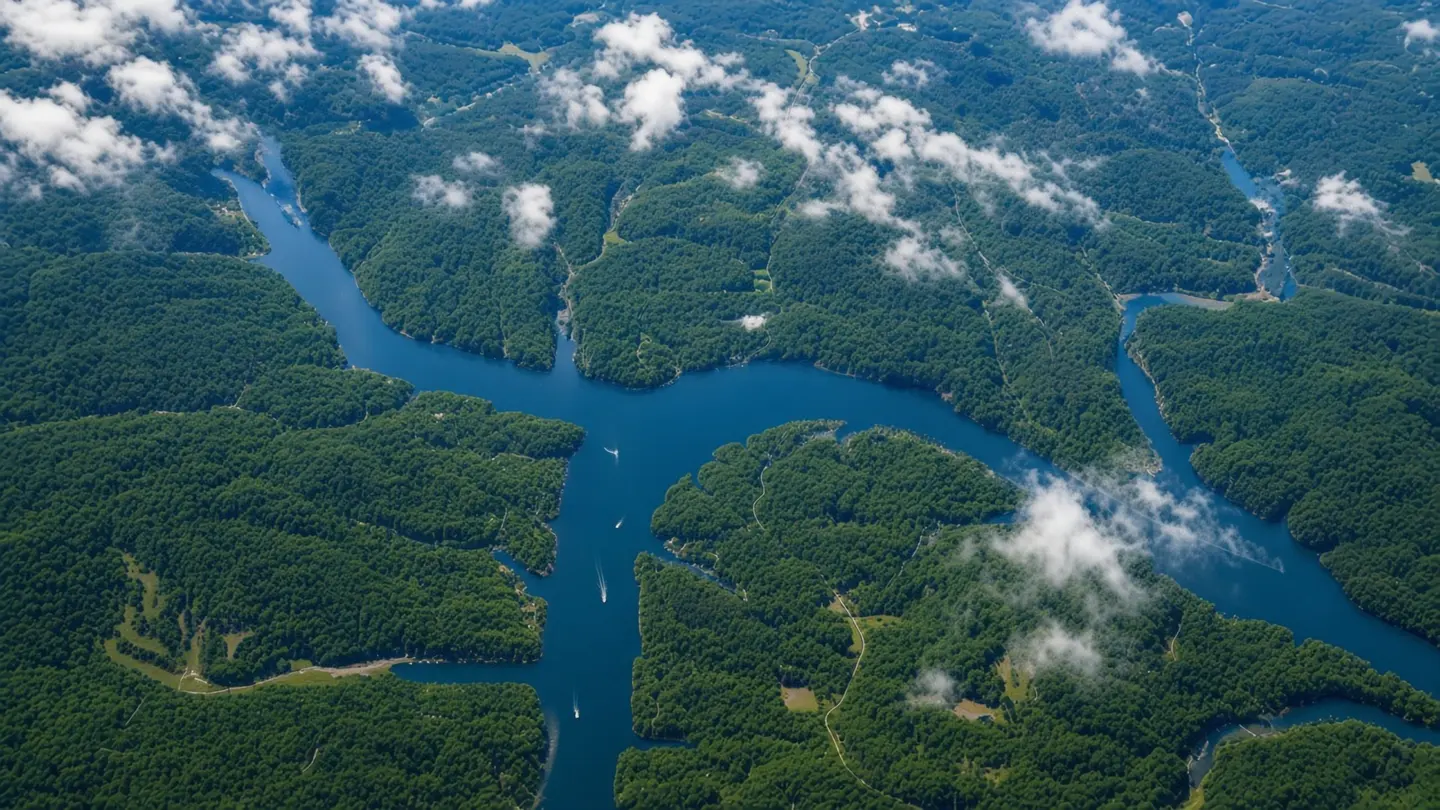
Guide · 2026-11-10
Lake of the Ozarks Mile Markers, Explained
What a lake mile marker is, how the main channel and the Gravois, Niangua and Grand Glaize arms are counted, and how to use mile markers to pick a campground.
LOZ Camping › Guides › Winterizing Your Camper: The Complete Checklist
LOZ Camping guide · published 2026-11-10 · written for Lake of the Ozarks campers
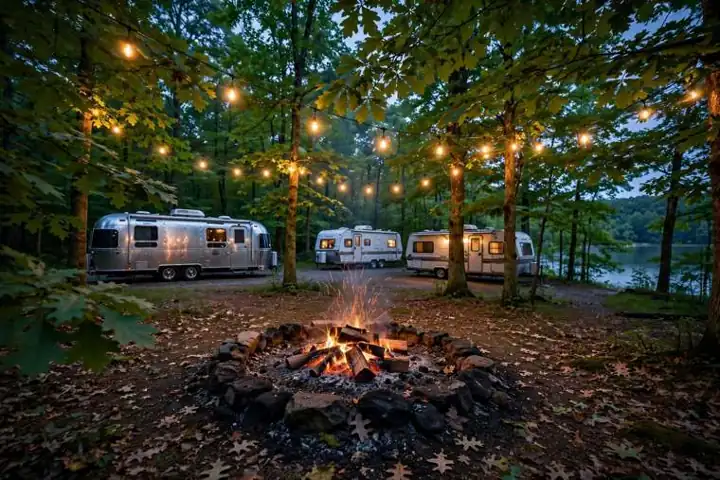
One hard Missouri freeze can split a water line, crack a pump or burst a water heater — repairs that run into the thousands. Winterizing takes about an hour and a few gallons of RV antifreeze. Here it is in shop order.
Turn off the water heater and let it cool. Drain the fresh tank, open the low-point drains, and pull the water heater plug or anode rod and let it empty. Open every faucet — kitchen, bath, shower, outside shower — until they run dry. Flush the toilet until the bowl is empty.
Find the bypass valves on the back of the water heater (usually behind a panel inside the camper) and set them to bypass. Skip this and you'll fill a 6–10 gallon heater with antifreeze for nothing.
Two ways: blow the lines out with compressed air regulated to 30–40 PSI through a blow-out plug, one faucet at a time — or pump RV antifreeze (the pink, non-toxic kind — never automotive antifreeze) through the system with the water pump and a winterizing kit until pink flows from every faucet, hot and cold.
Pour a cup of RV antifreeze into every sink and shower drain and a splash into the toilet bowl so the traps and seals stay wet and uncracked. Empty and rinse the black and grey tanks one last time and leave the valves closed after antifreeze is in.
Batteries: charge fully, disconnect, and store where they won't freeze solid — or keep a maintainer on them. Inside: remove all food and liquids that can freeze and burst, prop the fridge open, and set out moisture absorbers. Mice: seal gaps around pipes and cords, remove every crumb, and use your deterrent of choice — a Lake-country camper left alone for months is a mouse hotel. Outside: check roof seams and sealant while it's still warm enough to cure, cover tires or park on boards, and chock — don't leave the parking brake set on a trailer with surge brakes all winter.
If your rig winters at a seasonal park, ask the park three things: when water is shut off for the season, whether winter access is allowed, and whether they require the rig to be fully disconnected from the pedestal. Our Seasonal & Long-Term page lists the lake parks that offer extended stays — confirm winter rules direct with yours.
Come spring: flush the antifreeze until water runs clear from every tap, sanitize the fresh system, un-bypass the heater before you ever turn it on, and check for leaks before the first trip.
Before the first hard freeze — nights in the mid-20s. At Lake of the Ozarks that usually means by early-to-mid November, and earlier if your camper sits unheated through cold snaps.
Most campers take 2–3 gallons for lines and traps once the water heater is bypassed. Big rigs with washer/dryers or icemakers can take more.
No. Automotive antifreeze is toxic. Use only non-toxic RV/marine antifreeze made for potable water systems.
What a lake mile marker is, how the main channel and the Gravois, Niangua and Grand Glaize arms are counted, and how to use mile markers to pick a campground.
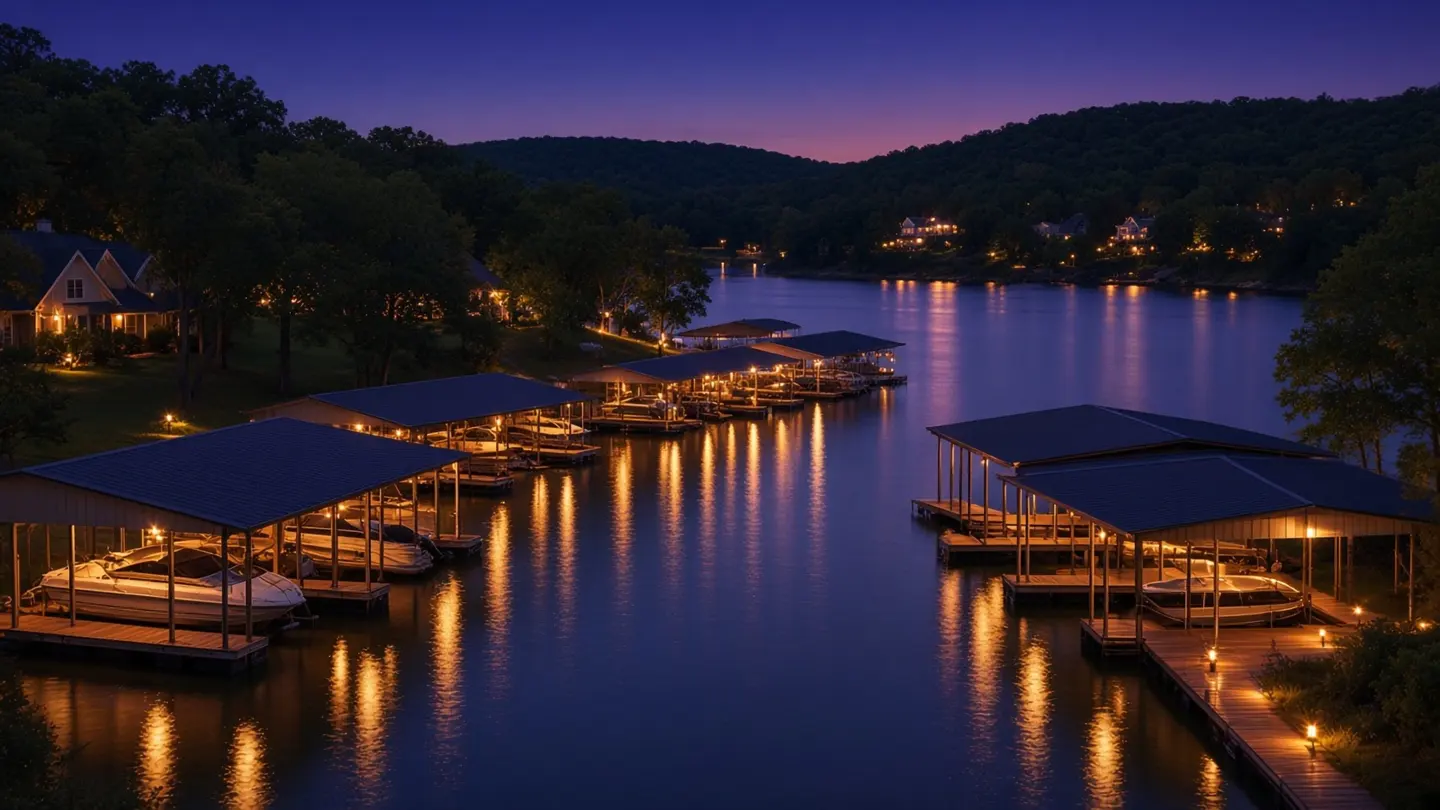
Every public boat launch at Lake of the Ozarks, Missouri — fees, hours, mile markers and parking, checked against the agencies that run them, with the nearest campgrounds for each ramp.
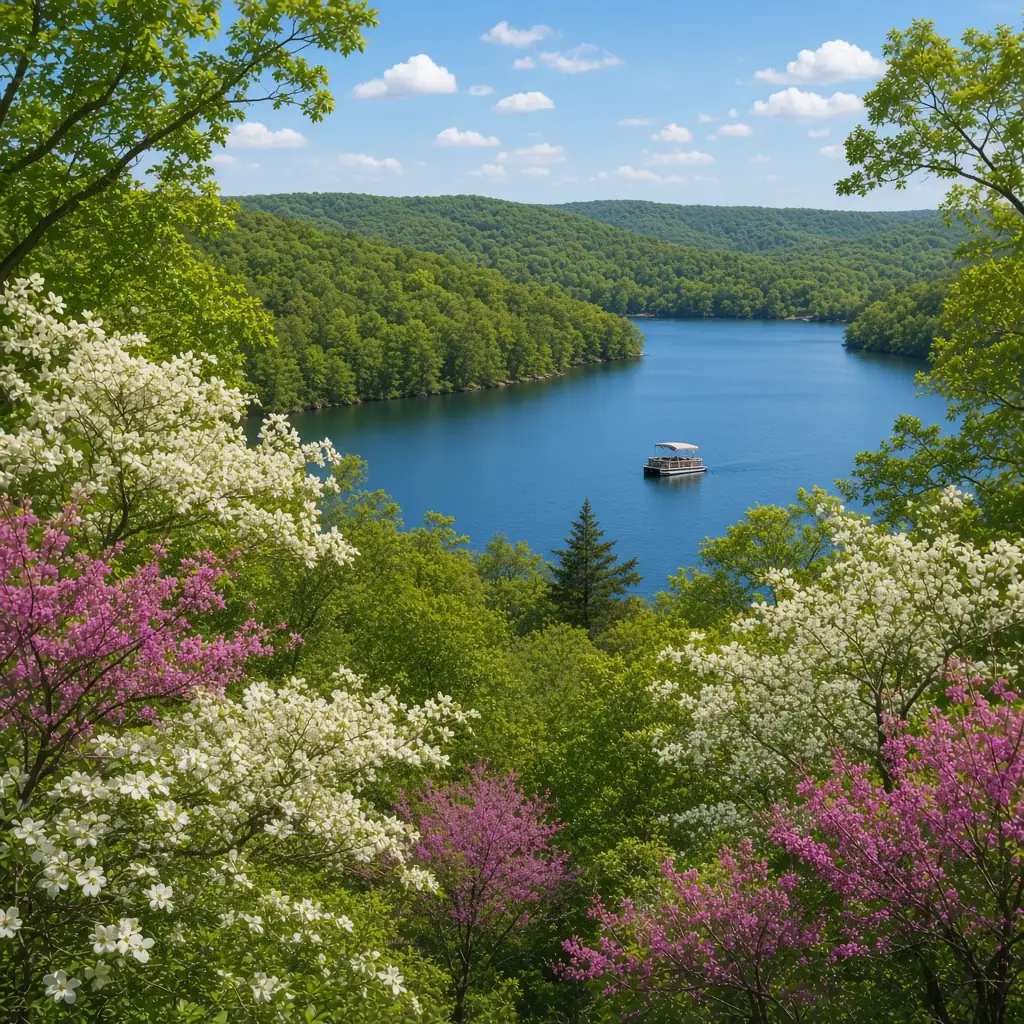
Every designated hiking trail at Lake of the Ozarks, Missouri — Ha Ha Tonka's castle and spring trails, Lake of the Ozarks State Park's 12 land trails and conservation-area hikes — checked against the agencies that run them, with the nearest campgrounds for each trailhead.
Sites:
Hookups:
Amenities:
Rates:
Ready to make a reservation?
Reservations are made on the campground's own website or by phone — LOZ Camping is a directory and doesn't take bookings.
Booking? Please mention you found them on LOZ Camping — that one sentence shows the park this free directory sends them campers, and it is how we get credit for the referral.
Free for every campground and RV park at the Lake. Tell us who you are and what you need — we review every request by hand and reply by email.